

Stay Connected!
Sign up today and get inspiration straight to your inbox.

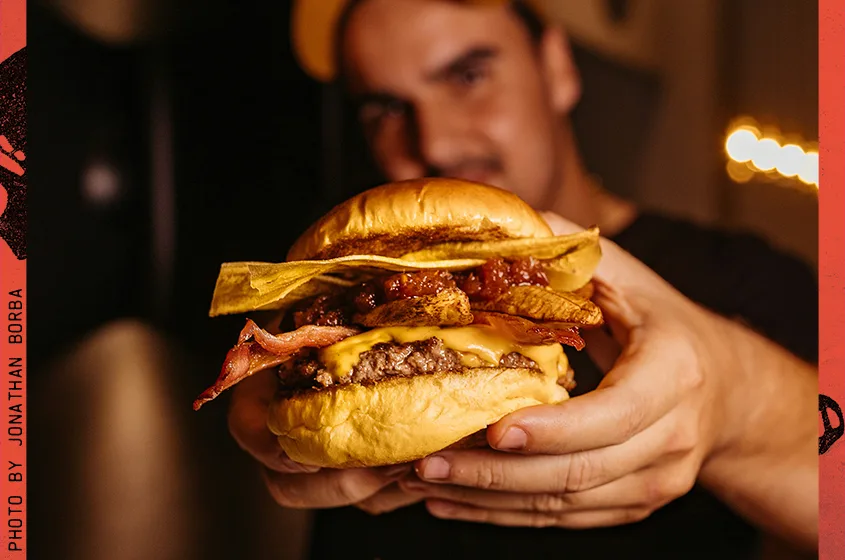
When chains change their menus, everyone in the industry notices.
Snack wraps are back at McDonald’s. Chipotle now sells high-protein bowls. Subway has rolled out Protein Pockets and Protein Bowls. Even Farmer’s Fridge, a health-focused vending concept, has gotten in the game with fire-roasted steak bites and high-protein bowls for breakfast and lunch.
Protein is everywhere these days. And it’s all about the meat.
“Specifically calling out protein is becoming a big deal on menus these days,” says Darren Tristano, an industry data analyst and founder of Foodservice Results. “With more people concerned about losing weight while also building and preserving muscle mass, we’re seeing a shift to higher-protein items, but in smaller portions.” On top of that, Tristano notes, protein’s getting more traction among people taking GLP-1 medications. “There will definitely be a continuation of more protein-focused menu items, not just for people on these medications, but for all consumers concerned about their health, especially as they age.”
Research backs this up. According to Datassential, 38% of consumers in 2023 said protein intake was important—that jumped to 52% in 2025. The increased protein intake also correlates with growing interest in foods that support gut health (52%) and fiber (51%). Meanwhile, consuming more plant-based foods now ranks lower in importance than consuming more animal meat.
Younger diners are especially interested in boosting protein intake. More than two-thirds of customers—especially Gen Z and millennials—intentionally consume protein or protein-enriched foods to achieve health or body goals, with 34% saying they do so to keep energy levels stable throughout the day.
There’s a reason health-conscious consumers crave protein.
“Protein helps preserve muscle mass and maintain metabolic health, especially when appetite is reduced or there is a dramatic weight loss,” says Jillian Marino, RD, LN, corporate chef and dietitian with Morrison Healthcare. Her team has recently been developing new protein- and portion-considerate menus for retail and servery applications at Morrison Healthcare facilities nationwide.
Animal protein is nutritionally dense, helping diners feel full faster. Even dairy is gaining ground. “Cottage cheese is trending right now because it’s neutral in flavor, relatively inexpensive and accessible and very high in protein,” says Marino. “You can blend it into smoothies and pancake batter, swap it for other cheeses in a dip, add it to avocado toast, or mix it into marinara for pasta sauce as a way for people to add more protein to their meal without necessarily eating large amounts of animal protein.”
Fiber also plays a role in the high-protein menu makeover. “Fiber helps with satiety and digestion, and helps round out a protein-rich diet,” Marino says. “We’re also emphasizing healthy fats like avocado, olive oil, nuts and seeds to support nutrient absorption. The goal is always balance—making sure the food is satisfying, nutritionally sound and practical to execute across multiple locations.”
Read more about fibermaxxing and why your guests care about it.
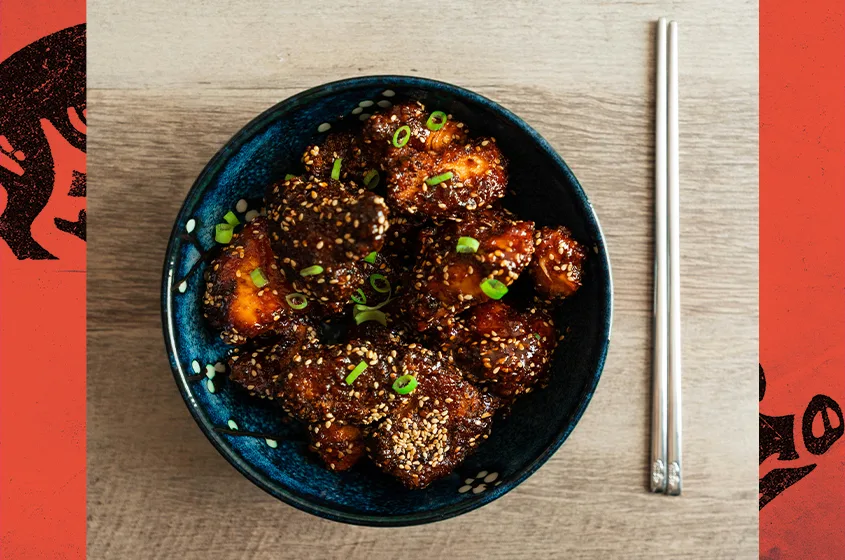
While protein is important, menu items still have to pack flavor to be craveable and worth the spend for budget-conscious consumers these days.
“Spiced” was listed as the fastest-growing flavor with the highest change incidence at 100% in the last year, according to chicken menu trends research from Technomic. That was followed by chipotle (69%), Korean (60%) and garlic-parmesan (54%). Datassential reports that spicy flavors are particularly popular among Gen Z, with 40% preferring them, compared to much lower rates among older generations.
Marino says her team has been “working on a shaker salad with buffalo chicken and farro—it’s high in protein, bolder in flavor and uses a nutrient-rich grain, but it comes in a smaller portion size.”
And, instead of simple, salad-bar vegetables, “we’re offering elevated vegetables like marinated mushrooms, roasted broccoli, spiced, toasted chickpeas and composed mini salads offering more nutrition and flavor in the same bite,” she adds.
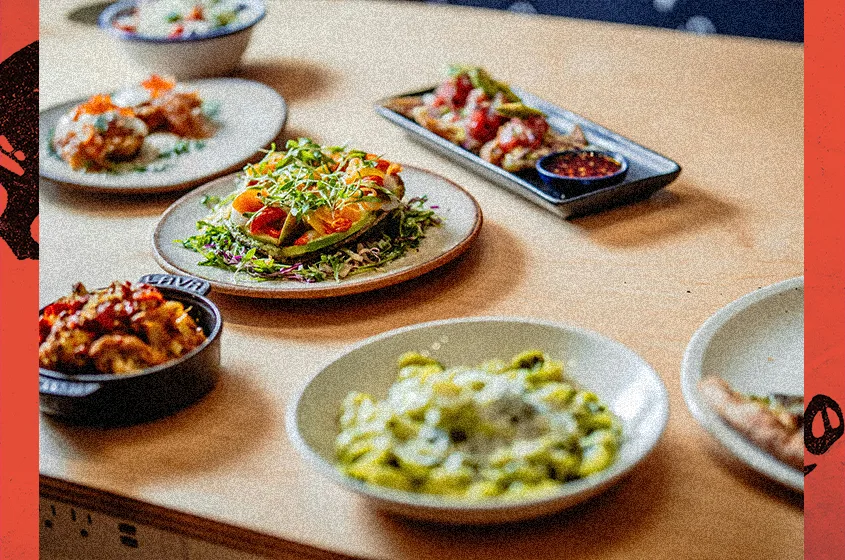
Protein—in the form of meat, eggs and dairy—offers high-density nutrition in smaller portions, giving diners more nutritional value in fewer bites. Smaller portions are also smart for revenue.
Datassential research shows that 59% of consumers would be more likely to visit restaurants offering flexible portion sizes such as mix-and-match combos, split portions for two, snack-size options or small-plate entrées. Nearly half of diners say they were surprised by how large a restaurant meal was in the past month.
Matt Peota, chef/owner of Passero in Arlington Heights, Illinois, considered these consumer shifts when designing the menu for the newly-opened Hugh’s Chophouse.
“One of our main menu items is a steak frites—a nice cut of beef with some great fries,” he says. “There are always going to be the guests who are willing to spend more on big-ticket steaks on a Friday or Saturday night, but what about those who want to go out on a Tuesday and not drop $80 on a steak? We’re doing a five- or six-ounce bavette, sliced with some peppercorn sauce—and it’s 25 bucks. If they’re spending that much less, then you might make it up on a second drink or another small item.”
“Restaurants have to be very careful to manage customer satisfaction, while providing smaller plates for individuals who don’t have the appetite for larger portions,” Tristano notes. “Larger portion sizes have traditionally equated to higher customer satisfaction, so the challenge for restaurants will be balancing smaller portions with value. That’s going to shift away from things like bottomless pasta or endless breadsticks to potentially smaller portions at lower price points.”
When dining behavior changes, packaging matters. According to Datassential, 40% of consumers intentionally over-order food meant to take home, while roughly 30% ask for parts of a meal to be left off. More than two in five diners say they leave food uneaten at least some of the time, while 25% say they leave food behind most or all of the time.
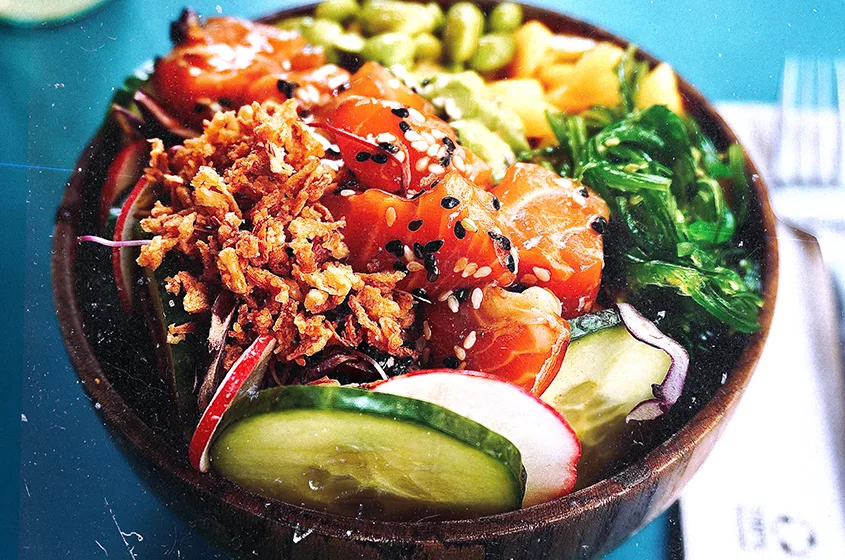
“Bowls are coming back big right now,” says Money. “I don’t know one customer right now who doesn’t want to add a bowl to their menu, but it has to be an elevated bowl.”
Money has worked on a wide range of bowl concepts, packed with everything from cheeseburger ingredients to boneless wings, Korean bulgogi, shawarma and even mac and cheese and ribs designed for BBQ and bars. Technomic reports that the fastest-growing savory bowl flavors include Korean, honey and pesto.
“Bowls are a great way to cross-utilize items and carry costs across menu items,” she says. “They’re inexpensive and easy to execute—you can literally throw everything from your kitchen into them and people are happy.”
What’s more, Money adds, “savory breakfast bowls with eggs, meats, potatoes and a little salsa or hollandaise or gravy are huge right now—they’re not as messy as a burrito, but just as filling. We’ve gone way beyond the acai bowl.”
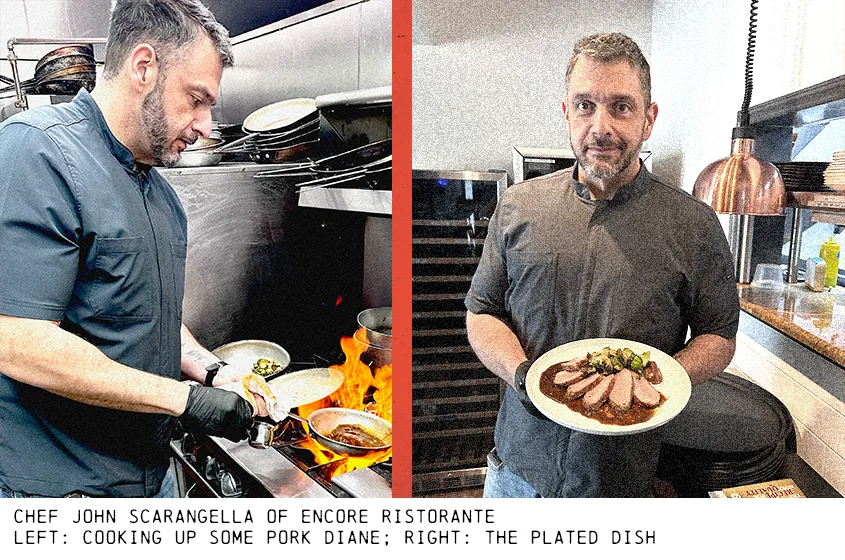
With pork prices declining, operators are buying it up—and presenting it like steak to justify higher price points.
Chef John Scarangella of Encore Ristorante adapted a popular pork piccata dish from his original restaurant into a more steakhouse-style pork Diane with mushrooms and brandy cream sauce. “It's one of those dishes that you can use to really put some money to the bottom line,” he says. “Priced at $34, it still sells like crazy.”
At Hugh’s Chophouse, the menu features Kan Kan pork—a pork tomahawk chop with the fat cap still on—that’s brined, smoked, lacquered with a Mongolian barbecue-style glaze and finished in an infrared broiler until caramelized. “We want to make that just as big of a standout as our steaks,” Peota says.
Technomic data shows parmesan leading flavor growth for pork, reflecting Italian influences. But other global flavors are also rising. Technomic recently listed Moo Ping—Thai grilled pork skewers marinated in garlic, cilantro and soy and basted with coconut cream—among its top trends to watch.
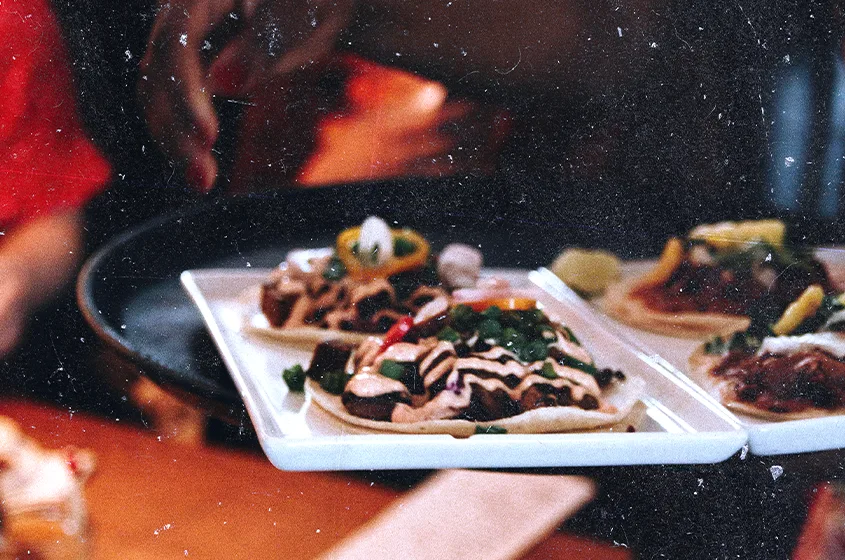
Mexican meats—from pork carnitas to carne asada—are also gaining momentum on menus.
At Taqueria Chingón in Chicago, carne asada pairs with chorizo and chicharron for tacos campechanos, a popular Mexican street food known for mixing multiple proteins. The dish also features grilled Monterey Jack cheese, avocado salsa, onions and cilantro.
Money points to two additional favorites: the El Don Molcate sizzling protein bowl with grilled skirt steak, shrimp, chorizo, chicken and onions with asadero cheese at El Don Cocina & Cantina in Lathrop, California; and a carne asada taco bowl with black beans, pico de gallo, salsa and corn at Inc 82 Brewing in Dublin, California.
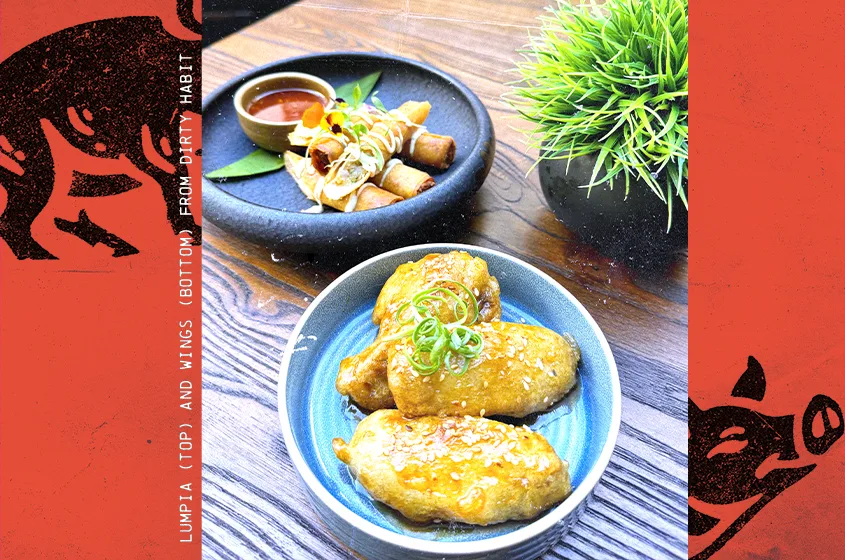
Protein-forward menu innovation is also showing up at the bar.
At Dirty Habit in San Francisco, the bar menu features Smoked Bourbon Maple Glazed Chicken Wings and Surf & Turf Lumpia. The wings pair with the bar’s collection of more than 640 whiskeys, while the lumpia—crispy rolls filled with wagyu beef and lobster—are served with sweet chili garlic vinegar for dipping.
“We use both dishes to lean into protein in a fun, snackable way while still fitting into the elevated vibe we’re trying to create,” says Chef Ruby Oliveros.
Get more tips on how to design a modern menu with protein and portions in mind.
Get more center-of-the-plate tips, ideas and resources.
Check out the Stock Yards Collection portfolio for your protein needs.