

Stay Connected!
Sign up today and get inspiration straight to your inbox.

Milk bread’s having a moment. Research firm Datassential reports the Japanese-style bread has grown nearly 400% on U.S. restaurant menus over the past four years.
Now, milk buns are riding that popularity wave—and for good reason.
With their pillowy-soft texture, subtle sweetness and surprisingly sturdy internal structure, they deliver the comfort diners crave while holding up to hearty, sauce-heavy builds. Unlike richer brioche buns with their pronounced buttery flavor, milk buns offer a more neutral canvas that lets bold ingredients shine. That versatility makes them a smart fit across dayparts, from breakfast sandwiches and smash burgers to shareables and desserts.
Culinary Development Chef Faiz Ally with Turano Bread shares the ways operators can put milk buns to work.
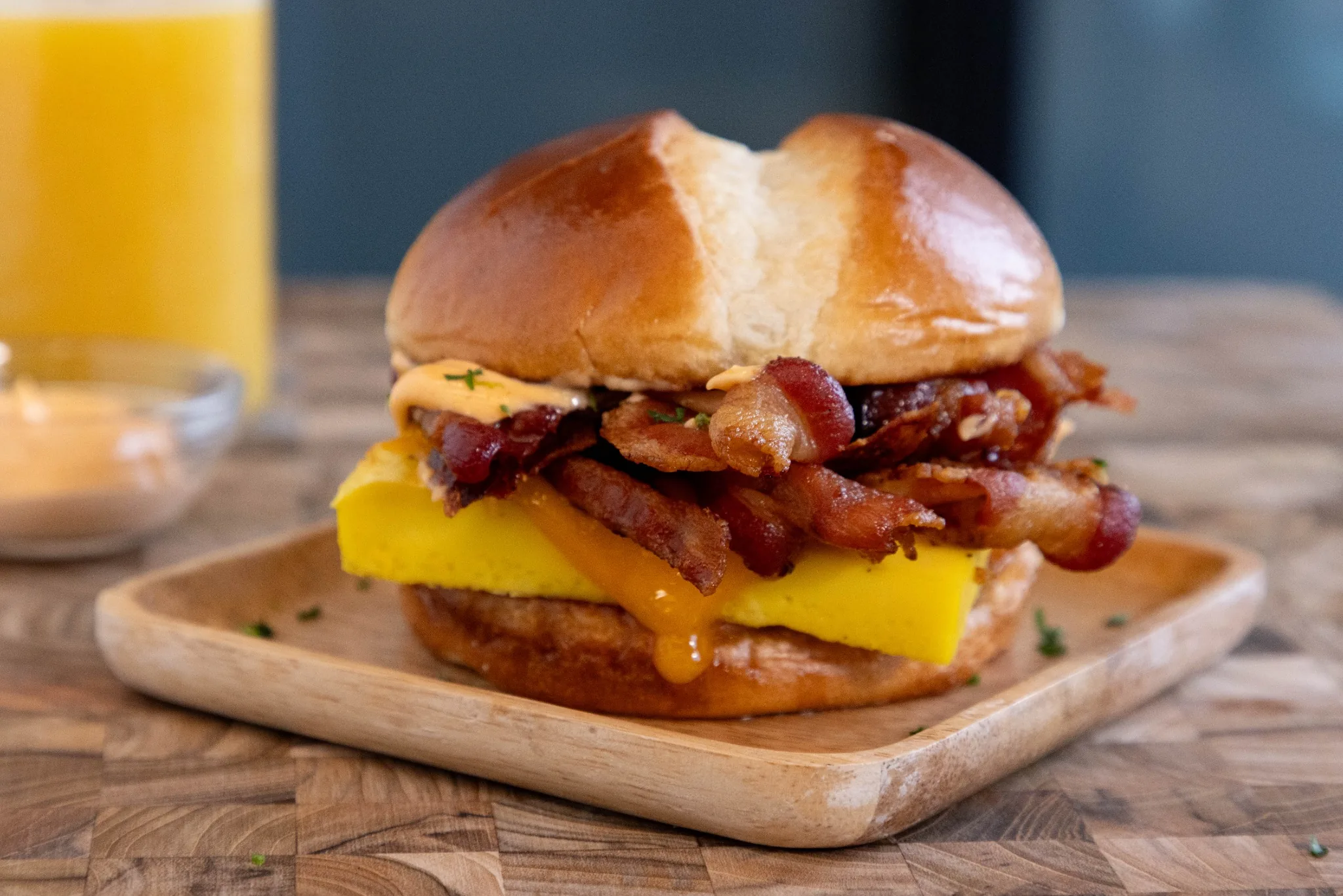
Milk buns bring softness and structure to breakfast sandwiches without overpowering the fillings. Chef Ally draws inspiration from classic Chicago-style egg sandwiches, topping Turano milk buns with baked eggs cut into squares, melty cheddar cheese, crisp bacon and sriracha aioli.
“The squishiness is what people love,” he says. “You get that soft bite you’d expect from a potato bun, but there’s still texture to hold up to the heartier build.” The subtle flavor of milk buns also plays well with bolder sauces like the Sriracha aioli, he notes.
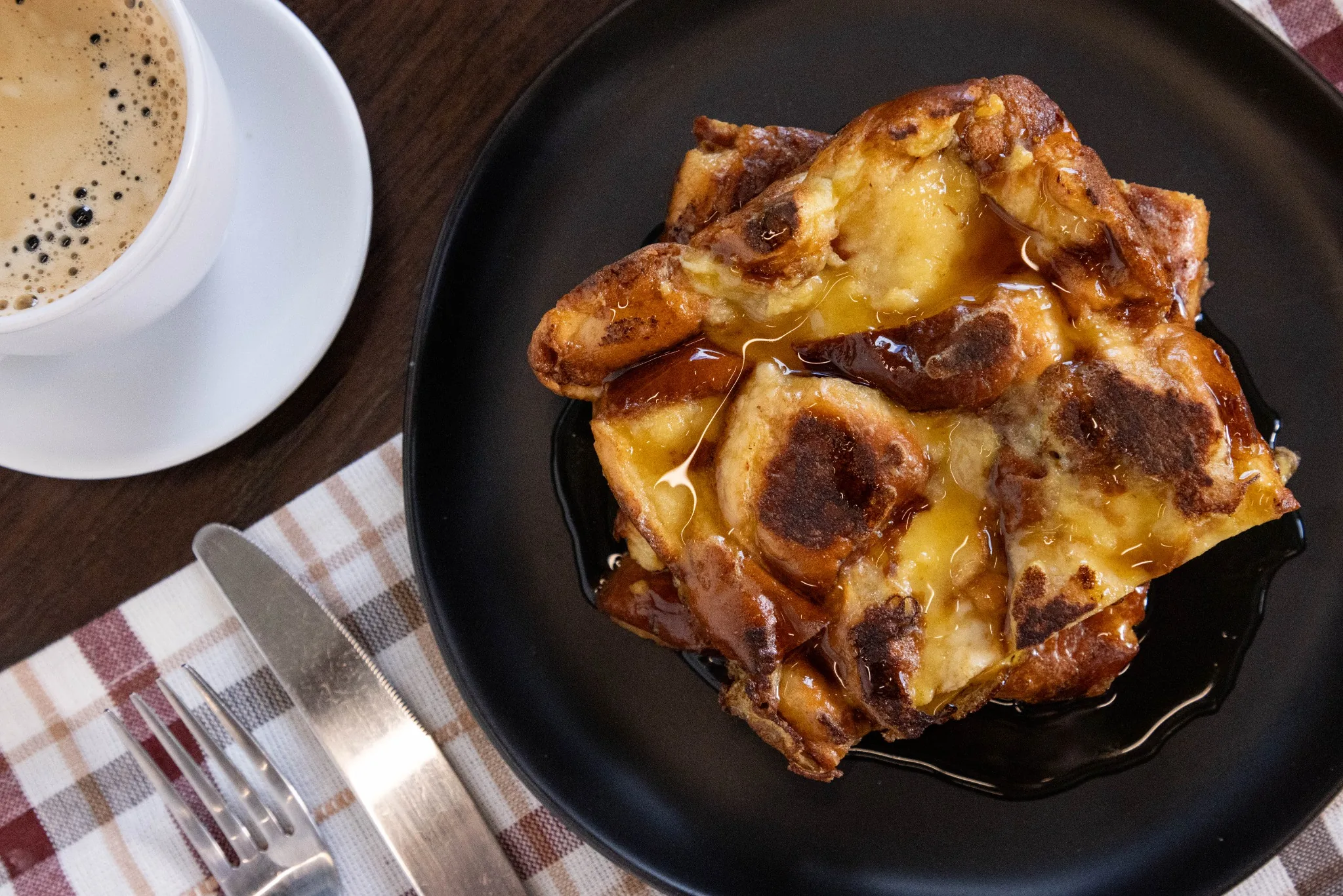
Milk buns can also move into dessert applications. Chef Ally suggests cubing leftover buns and mixing them with milk, sugar, eggs and chocolate chips to make a bread pudding. After baking the bread in a loaf pan and slicing it, he dips the slices in eggs and sears them off for a French toast-style pudding.
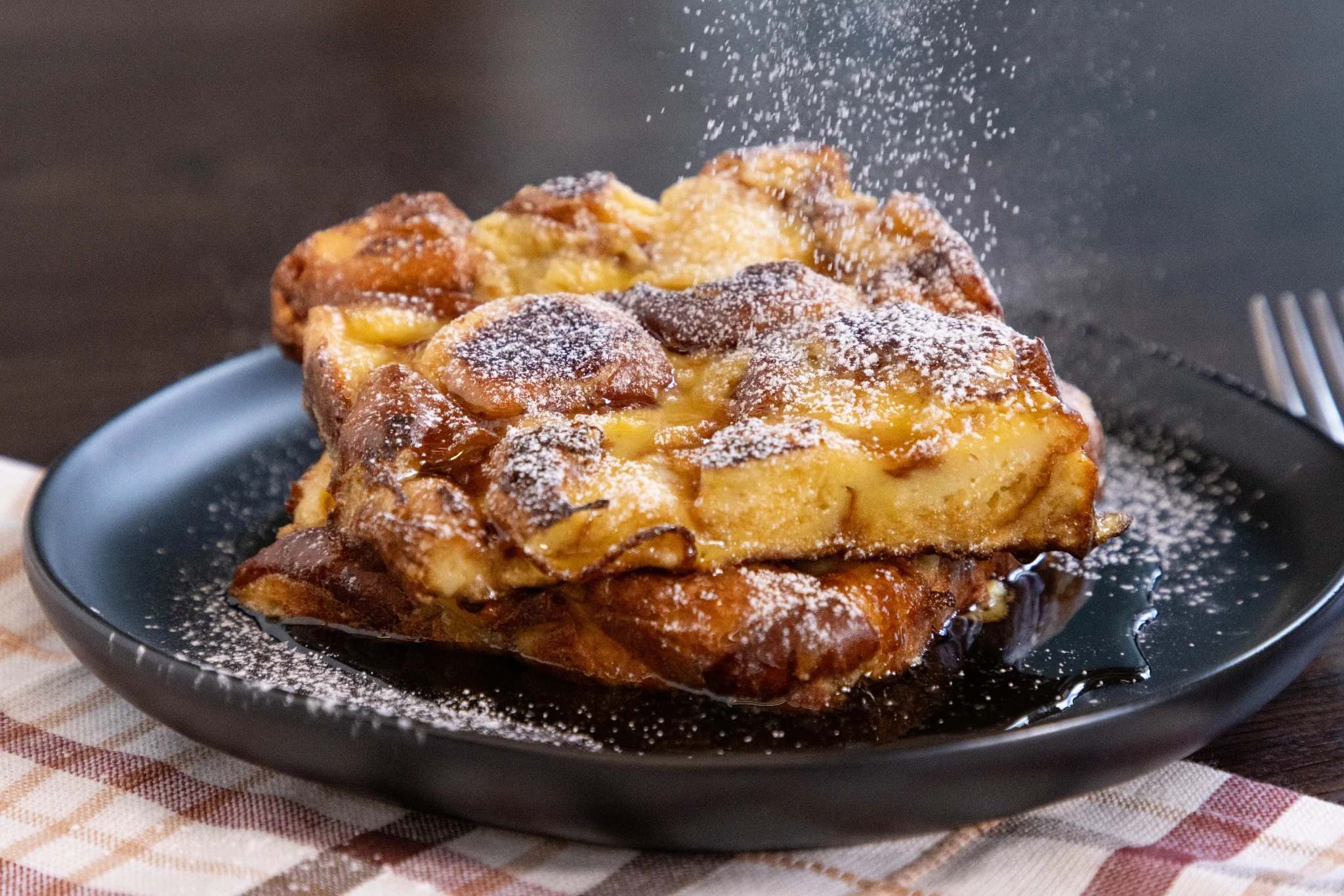
“The bread’s soft crumb absorbs custards and sauces really well, but still has texture without getting too soggy,” he says. “It’s an easy cross-utilization play for operators looking to reduce waste and extend ingredients across multiple menu categories.”
As the smash burger craze continues, milk buns offer a solid carrier alternative to traditional potato, white and brioche buns, thanks to their durable, but soft texture. Chef Ally makes his smash burgers based on the Oklahoma City version, placing the burger patties directly over a few paper-thin slices of onion on the flattop so the onions slightly caramelize and flavor the burger. He then tops the patties with American cheese and loads the double-stacked burgers onto the milk buns with American pickles and that ubiquitous special sauce everyone loves.
“The bun compresses without falling apart, so it’s still rich and indulgent without being super messy,” Chef Ally says. “I’ve even made sliders this way using our smaller, 3-inch milk buns—they’re great for slider flights and shareable appetizers.”
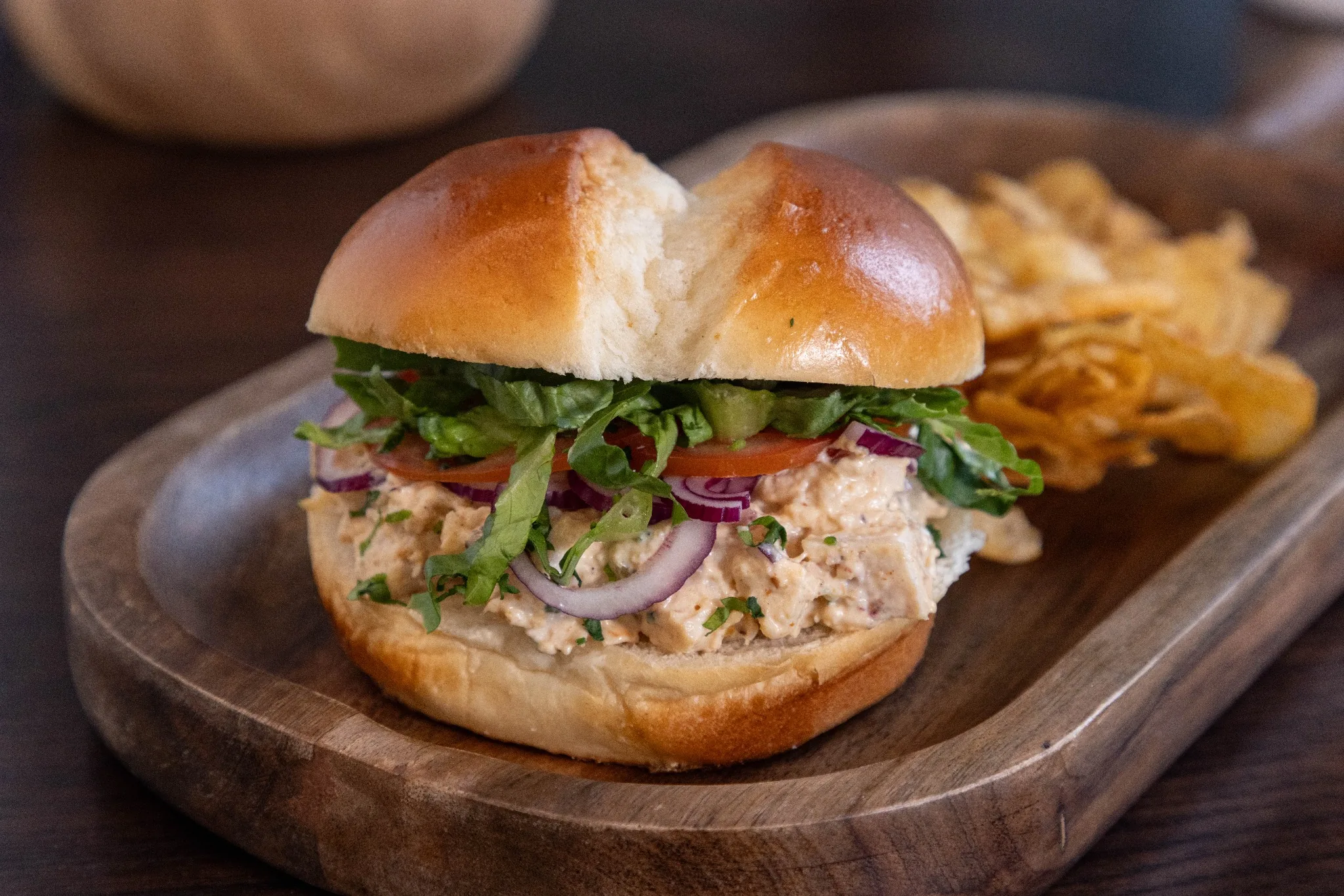
Milk buns are ideal carriers for cold sandwiches for catering. The high hydration combined with the milk in the dough produces a soft, pillowy crumb that holds its character at room temperature.
“Most people have had a cold ciabatta sandwich and remember it for the wrong reasons,” Chef Ally says, noting that ciabatta can be chewy and hard to eat if served cold. “That’s not the fault of the bread—ciabatta is formulated for heat, and it needs it. Milk buns simply don’t have that limitation.”
Again, bolder flavors work well here—Chef Ally uses neutral-flavored milk buns for his Thai curry chicken salad sandwich. “Ingredients like Thai basil, fish sauce and red curry have moved well into mainstream familiarity, and diners—particularly younger ones—are actively seeking them out.”
Order milk buns to give them a try on your menu.