


Ciabatta vs. Focaccia: What’s the Difference?
Table of Contents
When it comes to crusty Italian breads, ciabatta and focaccia are two of the most beloved. While they both originate from Italy and share some similarities, like incredible flavor and versatility, they have distinct characteristics that make each unique.
Ciabatta vs. Focaccia
While most people recognize the two breads by name, and maybe by taste, there are key differences in how the bread is made, its texture, and even how it is served.
Texture
Ciabatta: Crusty exterior with a chewy, airy interior.
Focaccia: Soft, spongy texture throughout with a crispy, oily crust.
Ingredients
Ciabatta: Made with flour, water, yeast, salt, and sometimes olive oil.
Focaccia: Includes flour, water, yeast, salt, olive oil, and often herbs or other toppings.
Dough
Ciabatta: Wet, sticky dough that requires long fermentation.
Focaccia: Softer dough that is easier to handle. It typically involves olive oil.
Preparation
Ciabatta: Requires more time for kneading and rising, due to its high hydration.
Focaccia: A more forgiving dough that often involves pressing dough into a pan and poking holes to create dimples.
Baking
Ciabatta: Baked at high temperatures to achieve its signature crust, baked in loaves.
Focaccia: Typically baked in a sheet pan, resulting in a flatter, uniform shape like a flatbread.
Serving
Ciabatta: Commonly used for sandwiches and paninis.
Focaccia: Often served as a side dish, appetizer, or used as sandwich bread. It can also be used as a base for pizza.
Uses
Ciabatta: Ideal for hearty sandwiches and toasting.
Focaccia: Can be enjoyed plain, or topped with herbs and cheese. Perfect for dipping, serving with meals or creating flavorful sandwiches.
Storage Life
Ciabatta: Best eaten fresh; can last a few days if stored properly. Slicing and freezing extend its shelf life.
Focaccia: Generally lasts longer due to its oil content, but is also best fresh. Slicing and freezing extend its shelf life.
What is Ciabatta?
Ciabatta, meaning "slipper" in Italian, due to its oblong shape, is a relatively modern bread created in the 1980s by Arnaldo Cavallari in Italy. It grew in popularity as a lighter and airier alternative to traditional Italian breads.
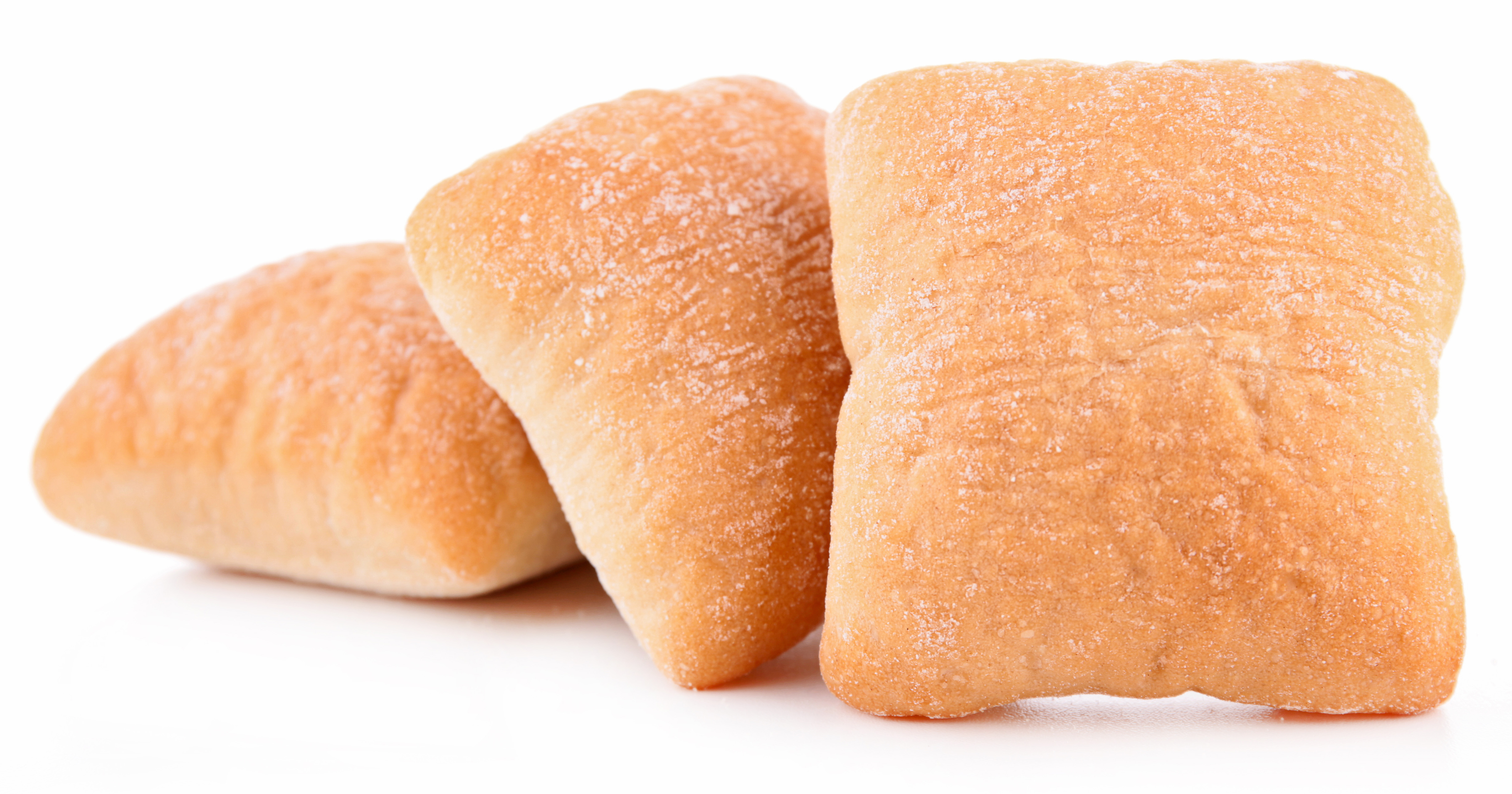
It's known for its rustic appearance, with a flour-dusted crust and irregularly sized holes throughout the crumb. Unlike baguettes, ciabatta boasts a softer crumb, due to its higher hydration.
Ciabatta has a mild, wheaty flavor that pairs beautifully with savory ingredients. Ciabatta has a mild flavor with a slightly tangy taste from the fermentation process. The crust is crunchy, while the inside is airy and chewy.
Ciabatta can be a healthy choice when made with whole grains and consumed in moderation. It's low in fat and offers a moderate source of carbohydrates and fiber.
What is Focaccia?
Focaccia is a flat oven-baked Italian bread that dates back to ancient Rome. Over the centuries, it’s evolved into a staple bread throughout Italy. It's a versatile flatbread boasting a golden crust and a light, airy interior. Often drizzled with olive oil and seasoned with herbs, focaccia offers a delightful combination of textures and flavors.

Focaccia has a rich, savory flavor that’s enhanced by olive oil. It's soft and fluffy on the inside, with a slightly crisp, golden-brown exterior. The taste is also impacted by the toppings – like herbs, vegetables or cheeses.
Like ciabatta, focaccia provides carbohydrates and fiber. Its healthiness depends on the ingredients used. While it's higher in fat due to olive oil, the oil provides healthy fats. Opt for versions made with whole wheat flour for added nutrients.
Recipes & Ideas
Ciabatta Recipes & Ideas
While focaccia often reigns supreme for recipe variety, ciabatta can still shine in creative applications:
- Ciabatta’s sturdy structure makes it perfect for hearty sandwiches like the Winchester Turkey Sandwich
- Slice ciabatta and toast it for a delicious accompaniment to olive oil or flavored dips
- Explore the US Foods® collection of sandwich ideas for more ciabatta inspiration
Focaccia Recipes & Ideas
Focaccia is known for its versatility, which allows for endless recipe creativity.
- Craft a gourmet Artisan Focaccia Sandwich with Prosciutto, Pesto and Artichokes
- Build a Muffaletta Sandwich on a bed of focaccia for an unforgettable appetizer
- Create a shareable Pull-Apart Focaccia appetizer with Romesco recipe.
- Elevate your menu with these Non-GMO Artisan Focaccia Square Buns
Enjoy experimenting with these recipes and ideas to bring a taste of Italy to your table!
Conclusion
Ciabatta and focaccia, while iconic Italian breads, offer distinct textures, flavors and uses that make them unique. Whether you're crafting a hearty sandwich with ciabatta or serving up a flavorful focaccia appetizer, understanding the differences can help you make the most of these delicious breads.