


- Many fruits give off ethylene – a natural, colorless and odorless gas that promotes ripening. Fruits such as apples, ripe tree fruits, ripe avocados and ripe kiwifruit are high producers of this gas
- While ethylene is often used to accelerate and promote even ripening of fruits such as bananas and avocados, it can wreak havoc with other produce items that are adversely affected by ethylene
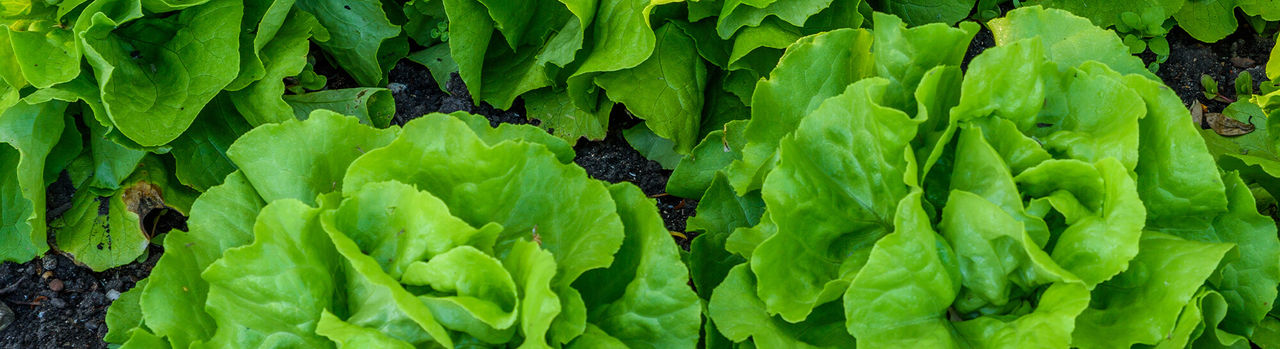
- Many fresh fruits and vegetables such as lettuce, leafy greens, green beans, soft shell squash, eggplants, honeydews, cantaloupes, apples and potatoes are sensitive to ethylene
- To maintain top-quality fruits and vegetables, keep ethylene-producing fruits separate from those items that are sensitive to the gas and can be damaged by it
| Produce Item | Ethylene Production | Ethylene Sensitivity |
|---|---|---|
| Apple | Very High | High (Scald or Lose Crunch) |
| Artichoke | Very Low | Low |
| Asparagus | Very Low | Medium (Toughness) |
| Avocado (California) | High | High (Hastens Ripening) |
| Avocado (Tropical) | High | High (Hastens Ripening, Decay) |
| Banana | Medium | High (Hastens Ripening, Decay) |
| Bean (Lima, Snap, Green) | Low | Medium (Loss of Green Pigment, Browning) |
| Berries | Low | Low (Mold) |
| Broccoli | Very Low | High (Floret Yellowing) |
| Brussels Sprouts | Very Low | High (Yellowing) |
| Cabbage | Very Low | High (Leaf Abscission, Leaf Yellowing) |
| Cantaloupe | High | Medium (Over-Ripening, Decay) |
| Carrots (Topped) | Very Low | Low (Bitterness) |
| Cauliflower | Very Low | High (Discoloration of Curd, Accelerated Yellowing, Detachment of Wrapper Leaf Stalks) |
| Celery | Very Low | Medium (Loss of Green Color) |
| Collards | Very Low | Medium |
| Cucumbers | Low | High (Yellowing) |
| Eggplant | Low | High (Calyx Abscission, Brown Spots, Increased Deterioration) |
| Garlic | Very Low | Low (Odor) |
| Grapefruit (AZ, CA, FL, TX) | Very Low | Medium (Mold) |
| Grapes | Very Low | Low (Mold) |
| Greens (Leafy) | Very Low | High (Russet Spotting) |
| Honeydew | Medium | High (Accelerates Ripening, Decay) |
| Kale | Very Low | Medium |