Tony Gemignani Dishes on Lessons Learned in the Pizza Biz
The Pizza King discusses embracing all styles
As multihyphenates go, Tony Gemignani is the real deal. Chef, restaurant owner, author, world-champion competitor, school founder, TV commentator and multiple Guinness Book of World Records holder are all titles Gemignani can proudly claim. Wide-ranging as those may be, there’s one thing that ties them all together: pizza.
Gemignani, who grew up on a cherry and apricot orchard in Fremont, California, is more than a good competitor. He also has multiple restaurant concepts across the country – including his first, Tony’s Pizza Napoletana in San Francisco, which features four styles of pizzas and seven regionally specific ovens; and Slice House, which has close to 150 franchises in development.
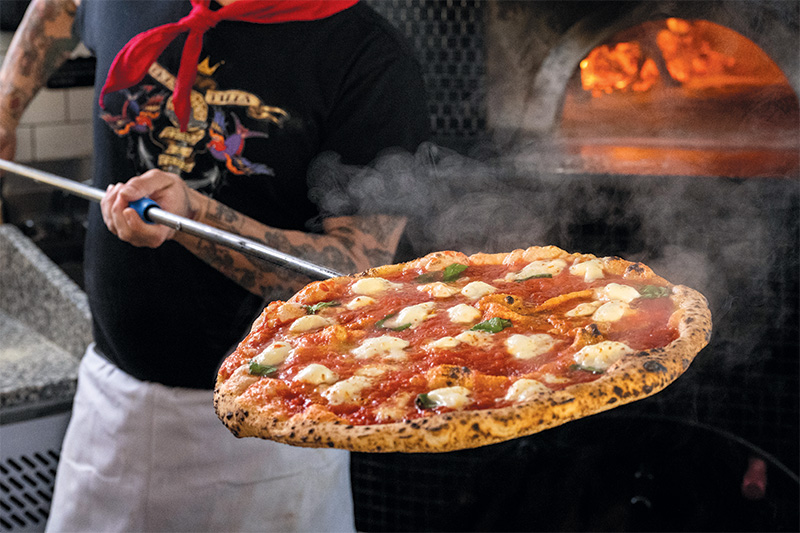
“I started making pizza when I was 18 years old, and I fell in love with it instantly,” says Gemignani, who got his start at his brother’s pizzeria. Some 33 years later, his pizza passion shows no signs of slowing down.
Q. What criteria make for a great pizza?
A. Back in the day, I traveled around the world—from Detroit to Florida to Fargo to Italy. Tossing pizzas and doing events, I was able to experience a true, authentic style of pizza in its hometown. For me, what makes a great pizza—and really great food in general—is always about balance. Each bite should take you on a journey. I have traditional pizzas on my menu, and I have chef-driven, out-of-the-box pizzas. It’s important to have a little bit of both, depending on where you are.
I celebrate every style of pizza. Before, pizza was very territorial. You had New York, Neapolitan, Roman and Chicago styles of pizza, and nobody liked each other. I opened Tony's with multiple ovens and multiple styles. It was one of the first of its kind that celebrated almost every style of pizza. Now you see three or four styles out of one pizzeria. I always say, I look at pizza very much like pasta. I can't say I love spaghetti and hate manicotti. If it's made right, it's a beautiful thing.
Q. What have been some of your defining career moments?
A. Being 23 on The Tonight Show was a big deal. Back then, when you got on The Tonight Show, you had made it. When I won the World Pizza Cup in Naples in 2007 for Best Margherita, it was the first time that anyone won in cooking from the U.S., let alone anybody outside of Naples. It was kind of a big moment in the pizza industry that recognized that the U.S. does, in fact, have good pizza.
Q. What have been some of your biggest challenges?
A. When you're young and you want to open a concept, the biggest questions are about the business side of things. Where do I find the funding? How do I create a business plan? What's a buy-sell agreement? What's a partnership agreement? Most of us in the restaurant industry back then didn’t go to college and didn't understand business. But eventually you find some money, you open a restaurant, and hopefully you make it. You're always trying to improve your food, but the business side of it is just as important. It's not the sexiest of the stuff, but it's just as vital.
Q. How have you’ve been able to grow and maintain so many pizza and restaurant concepts?
A. Diversity of the menu, understanding your demographic and building your team are all really important. Every teammate is different, so understanding that is important. I have different restaurants and different employees, and you need to understand that talking to a 17-year-old is different than talking to a 45-year-old.
Q. What have been some of the biggest lessons you’ve learned?
A. Learning the business side of it was really valuable. We tend not to look at that, especially new operators. Understanding that when you build a restaurant and you think the capital has been raised, it's a rarity that you see a restaurant be under budget. It's usually over budget and delayed. A rule of thumb: Don't pay rent until you open, if you can do that.
Q. How has the pizza industry changed since you first became a part of it?
A. Bakers and chefs have now gone into the industry. A lot of the big chefs would never touch pizza. It's street food and for delivery. What happened during COVID was everybody had to deliver, as we were forced to. Some restaurants didn't rebound, so they swallowed their pride and now are learning the pizza trade and opening pizza restaurants because it's less risky. The entire pizza industry has been elevated. Social media has helped, in that it's expanded people's ideas of pizza. The pizza industry has grown, and it's exciting to see. Robotics has touched our industry a little bit, and it will be interesting to see where it's at in 10 or 20 years. But there's nothing like being able to have a personal connection with the chef making your pizza.
HIGHLIGHTS
Tony Gemignani
- Won World Champion Pizza Maker at the World Pizza Cup in Naples, Italy, 13 times
- Opened Tony’s Pizza Napoletana in San Francisco, and a year later added Tony’s Coal-Fired Pizza & Slice House next door
- Opened Pizza Rock in Sacramento, a concept that pairs gourmet pizzas with specialty cocktails
- Capo’s, a Chicago-style Italian pizzeria and whiskey bar, opened in San Francisco’s North Beach
- Released his first cookbook, PIZZA, followed by Tony and the Pizza Champions, a children’s book, and The Pizza Bible
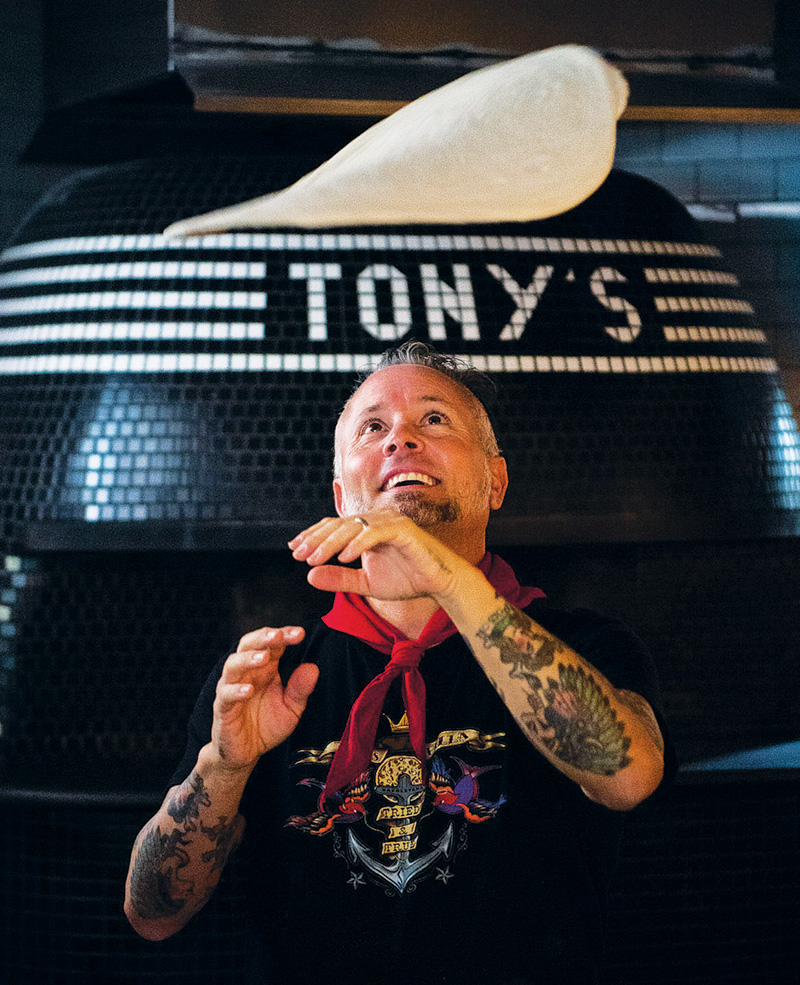
- Was inducted into the Guinness Book of World Records for creating the largest pizza, as well as the most consecutive rolls across the shoulders (a pizza-throwing technique.)