Meat of the Matter
Quality, grading and the menu mix for beef are more important than ever
Certain realities of the business are omnipresent—labor shortages, supply chain issues and increasing food costs—but some are more controllable and can actually benefit operators. Beef, for one.
 Demand for red meat remains robust, despite changes in consumer dietary habits indicating growing preferences for more plant-based choices. At the same time, consumers have become more discerning about where dining dollars are spent, and placing greater emphasis on value that isn’t always price-driven, according to food research firm Technomic. Such a convergence, chefs say, provides opportunities for operators and the bottom line.
Nailing the Q in quality
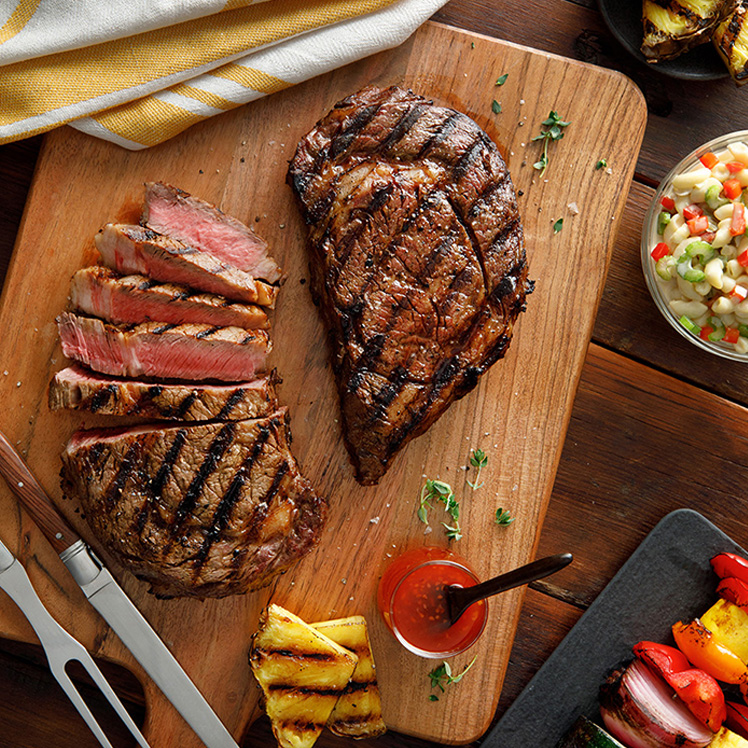
Most consumers know a restaurant steak offers a far better eating experience than what they can expect at home. The mitigating factor isn’t the cook but rather the U.S. Department of Agriculture rules certifying cattle. Home cooks may not be aware that their grocery store is mostly USDA Select while restaurants typically offer higher-grade USDA Choice or top USDA Prime. Companies like Minnesota-based Cargill take quality several steps further, by working with ranchers to ensure the highest quality in marbling, texture and flavor. Its Sterling Silver brand exceeds USDA standards and accepts only beef from top tiers of Choice and Prime grades. The brand’s Certified Tender cuts are aged for a minimum of 21 days, a point operators can use to support their dedication to quality. Explained on the menu or by servers, such attributes increase value, which add to the consumer experience.
Break down the names

While the most popular cuts, such as New York Strip and filet mignon, need no explanation, underutilized options require attention. Or do they? At Auburn Angel, led by Executive Chef Robbie Pacheco, petit filet stars in the $45 entrée, with espresso and cocoa bib rub and plated with celery root purée, baby bok choy and bordelaise sauce. But is that cut a smaller version of a filet mignon, a petit tender, tournedos – or are they all of the aforementioned? Similar diner questions apply to Hawksmoor, the London-based steakhouse making inroads in the U.S. with locations in New York City and Chicago. Of the 10 steak options that include ubiquitous New York Strip and ribeye, rump roast also appears. While that lesser-known cut is familiar to the British traditional Sunday Roast typically eaten after religious services, stateside diners most likely need definition. Some chefs explain less familiar cuts when space on the menu allows, but they see it as an opportunity for servers to engage diners more deeply in making menu choices as a way to provide quality service. In fact, research from firms like Technomic report that for full-service dining, customer service, experience and atmosphere are important factors in determining value.
Conquer the menu mix
At multi-unit, Boston-based Davios Steakhouse, 12 a la carte cuts are offered, from a $37, 8-ounce prime flat-iron steak and a $50, 6-ounce center cut filet mignon to a $89, 20-ounce, 55-day prime-aged, bone-in cowboy steak. But under “Caserecci”, which translates to “homemade” in Italian, that same 6-ounce filet paired with “grilled prawn, creamy potatoes, asparagus and bernaise” is only $9 more, creating a sense of value for the diner. For the concept, the cost of goods is balanced by the menu mix, including the likelihood that the table will order shareable “contorni”, or sides such as the $19 sautéed mushrooms with aged balsamic or the $14 mac ‘n cheese. Peche in New Orleans applies a similar value. Salsa verde is an option, but the award-winning culinary team also offers an $85, 22-ounce ribeye for the table, giving the party a greater menu experience.
Create matches
Red meat paired with wine is well-known, but suggesting it with grades of meat is less familiar among diners.
“A higher tannin wine that may produce more acidity and bitterness pairs well with a piece of meat that has more fat content or a richer flavor, like a ribeye,” says Mike Issa, a Sterling Silver Beef brand ambassador and owner of Scotch & Sirloin in Wichita, Kansas. “This pairs well with a Barbaresco wine. Vice-versa, an item with less fat, such as a filet or flatiron steak, would pair well with a softer or milder wine, like a Chianti Classico.
“Although you are pairing opposite sensations with wine and beef, it’s important to keep them balanced, so they can work in harmony for the ultimate dining experience,” Issa says.