

Stay Connected!
Sign up today and get inspiration straight to your inbox.

US Foods® Helps Operators Navigate Restaurant Commodity Pricing with Confidence
US Foods® is known for giving food operators more – more products, more tools, and more deliveries when they need them. But we’re more than just a product service. Our team provides valuable food cost management strategies to help businesses succeed.
Most operators already deal with thin business margins, where even a slight change in cost or product availability can cause a ripple effect across their business. How can a restaurant operation prepare for sudden shifts, like when a key ingredient such as chicken suddenly doubles in price? What happens if your business isn’t able to stock the product you need? How often are menus affected when suddenly there’s a scarcity of an ingredient, due to a changing weather pattern?
The key to tackling restaurant commodity pricing lies in making sure your team is prepared for changing markets. Commodity volatility is unavoidable. However, US Foods can help operators build systems that react strategically to these shifts, replacing panic with pivots that drive long-term success.
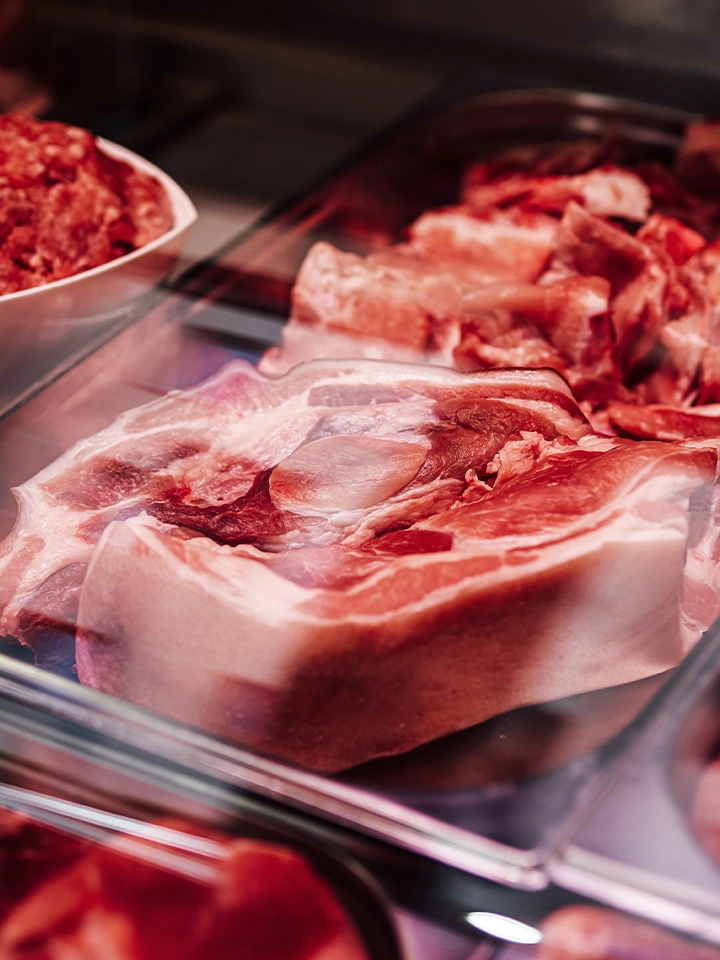
Unfortunately, a number of outside factors can contribute to price volatility within the foodservice industry. These drivers can come about quickly, affecting not only price but also supply and product availability.
While some shifts in foodservice market conditions can be tracked by following the news or seasonality cycles, commodities shifts can emerge with little warning. One of the benefits of partnering with US Foods includes access to tools and resources to track supply chain challenges.
The Farmer's Report - Weekly Market Intelligence for Operators. US Foods® provides a weekly pulse on the market through its Farmer’s Report. The report is a consistent, reliable snapshot of what’s happening across commodities markets – including beef, poultry, seafood, produce and more.
The Farmer’s Report can be used as a decision-making tool, helping customers make informed purchasing decisions, optimize menu pricing, and anticipate supply chain changes. Knowing the outlook of commodities helps operators prepare, not panic, in the face of food price volatility, helping control costs and keep menus profitable. If the Farmer's Report signals rising beef prices, you have time to adjust your menu or find alternatives – before your food cost takes a hit.
Your US Foods Expert Team – A Resource, Not Just a Sales Rep. Distributors often see pricing and supply shifts before operators feel the impact. Use their built-in expertise and foresight to your advantage. Sellers are continuously updated on market conditions, and can quickly recommend solutions when volatility hits.
Beyond insight, your sales representative can connect you to Business Solutions Specialists and Food Fanatics® Chefs who can provide menu engineering strategies or help improve back-of-house efficiency. US Foods reps can also assist you with ways to stay proactive during times of stability.
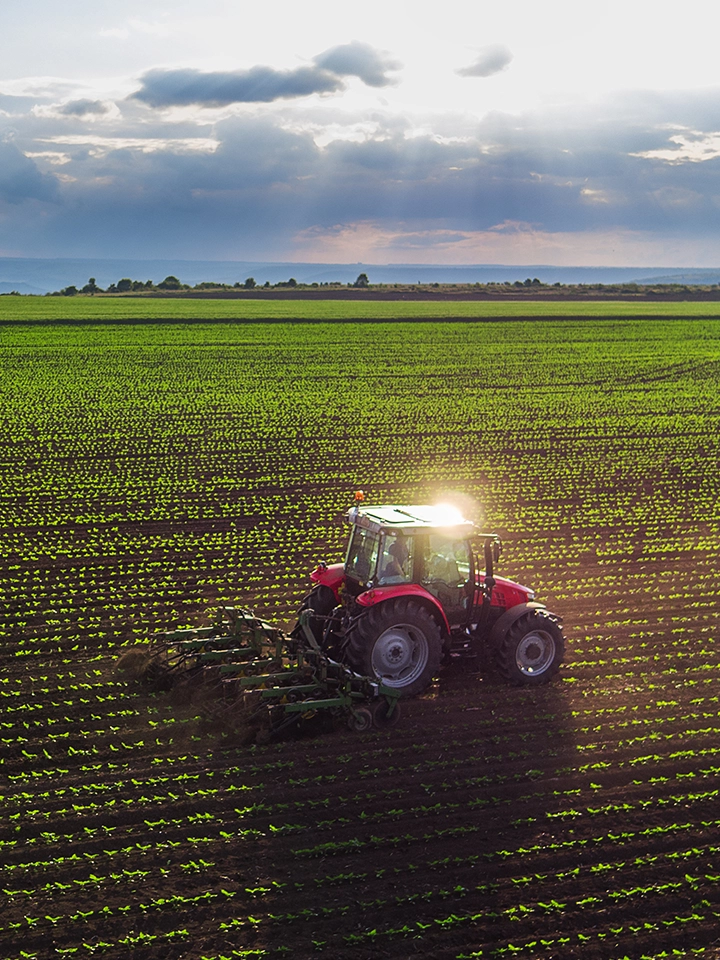
Beyond reporting, US Foods equips customers with the tools that help create systems that combat commodity price fluctuations.
Use Menu Engineering to Protect Profit Margins. With US Foods exclusive Menu IQ™ tool, restaurant operators can stop guessing on food costs. Powered by AI, Menu IQ helps operators see menu profitability insights by calculating per-plate costs for every dish in real time. The app can also help understand how to feature, adjust or pull back ingredients, by providing ingredient level costs on every item.
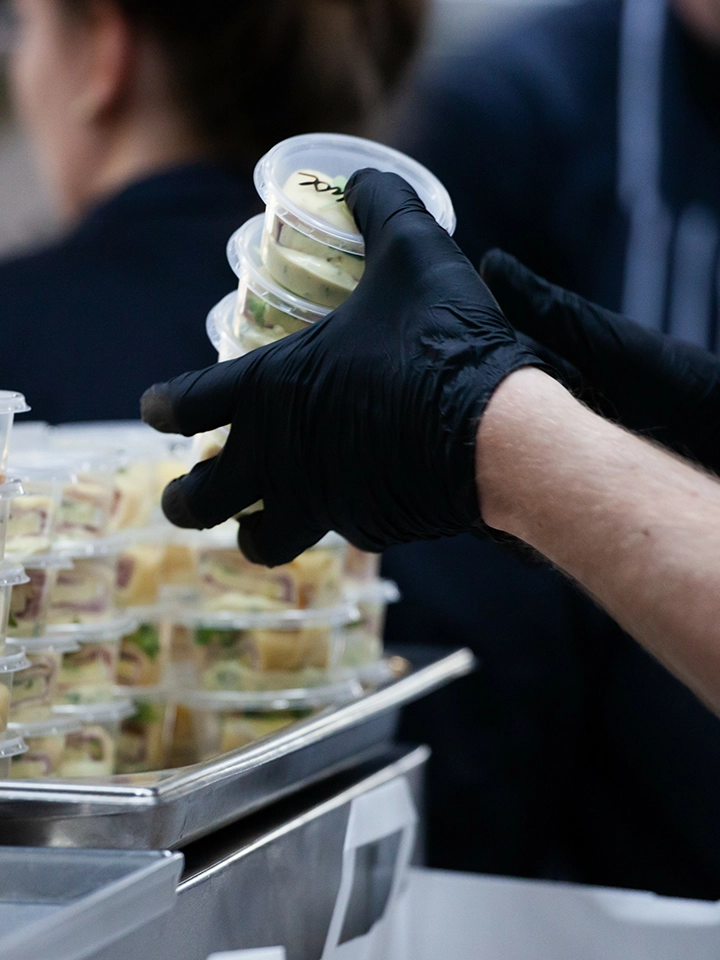
Operators can also utilize menu engineering strategies to help solve longer-term market challenges. Start by determining theoretical food costs of the items being analyzed. Theoretical food cost is calculated by taking the menu price and subtracting the cost of goods to get gross profit.
Next, determine the popularity of the items to measure how each dish contributes to the overall financial performance and success of the current menu. It’s the combination of profitability and popularity that makes a dish great for the bottom line. Once you’ve completed your menu analysis, rebalance the menu mix toward higher-margin items. Make sure to update pricing or menu layouts to help guide guests to these profitable choices.
Smarter Kitchen Inventory Management Reduces Waste and Cost. Start by examining prep PARS and reviewing inventory. Dial in on production levels across the board to reduce overprep and waste. Taking a closer look at inventory can also help tighten control over spoilage and overuse of products. Be sure to maximize usable product and adjust ingredients accordingly. Often, further processed produce and meats are more stable in price, and yield zero waste.
Leverage Data to Make Profitable Business Decisions. Review PARS regularly and align ordering with current sales and forecasts. The same factors that affect market conditions also affect customer traffic: weather, fuel prices, local and global events. Operators can also benefit from having a strict FIFO policy. Ensure older inventory is always used first, to minimize spoilage and loss. Finally, be sure to audit your receiving carefully. Check every order to ensure you catch shortages, quality issues and discrepancies immediately.
Resources like the e-commerce online platform MOXē® support food teams in making smarter menu decisions that can help maximize check averages and minimize food costs. For back-of-the-house operations, US Foods® offers a suite of resources through CHECK® Business Tools.
For operators starting from scratch, or tenured brands looking to modernize operations, US Foods offers POS system partnerships with industry leaders like SpotOn, Clover and Toast.
Invest in Server Training. In preshift meetings, equip servers with talking points on menu changes or special features. Generally, customers do not want to hear that it just costs more. Be prepared to control the conversation with “the why” behind the price change. Help your servers build their menu influence and guide guests toward profitable items. Incentivizing these choices can help operators overcome cost challenges and keep margins on track.
Get Smart with Marketing Strategy. Make sure that you’re not actively promoting menu items that are impacted by the market spike, either in-restaurant or via digital communications. Instead, spotlight profitable, high-margin and trendy items to draw diners’ attention.
Pricing Your Menu for Current Market Conditions. Private events can come with risk, as pre-booked pricing can create margin pressure during market spikes. Whenever possible, make sure contracts allow room for menu flexibility, and regularly review published package pricing. Set expectations early with guests by including language that allows for necessary adjustments. You can easily lose money on an event booked 6 months ago if you do not have language to allow for price increases based on current market conditions.
Diversify Your Menu with Strategic Product Alternatives. Examine your kitchen inventory to make sure you’re using the most cost-effective product option. From there, ensure your team is practicing portion control, and adjust quantities where appropriate to protect margins. Plan for any shortage issues by identifying viable alternatives and potential substitutions that won’t sacrifice menu quality.

Another benefit of following the commodities market is learning how to leverage favorable conditions and plan ahead for any future shifts.
Create limited-time offerings and specials to drive profit and traffic. When market conditions shift to provide favorable market pricing, capitalize on the availability and lower cost of product with speciality offerings. Are avocados cheaper than in months past? Consider a Taco Tuesday promotion or adding on a guacamole appetizer to the menu. For proteins, lower chicken prices can translate into new wing specials; falling pork markets become barbecue features. To educate your staff, give updates during preshift and gamify the specials with server contests.
Seasonal Menu Planning as a Cost Control Strategy. One of the strategies to keep restaurant costs under control is to work directly with your distributor to up quantities when pricing is favorable. It’s also a great time to build out your inventory with shelf-stable products and other everyday essentials.

Even as markets ebb and flow, restaurant operators can still build a connection with their customers by providing exceptional customer service and focusing on relationship building.
The Menu Story. Work with your front-of-house team on highlighting key aspects of the menu that go beyond the price. Highlight specific purveyors, showcasing the quality of the ingredients. Give a peek into some of the intent behind menu decisions, and the importance of sourcing products that reflect the culinary vision.
Build Trust. Whether a diner is a regular or a brand-new guest, it’s important to build a sense of trust between the server and the guest. Sometimes transparency can be the best avenue for discussing pricing or menu changes. Be sure to give service tips on how to convey product changes that are essential to menu and guest experience.
Create a Welcoming Atmosphere. Often, guests remember more of they “feeling” the got from an experience than the amount they paid. Dining out should feel like a treat, a way to relax and enjoy an evening in a welcoming environment. Make sure you and your team are cultivating an inviting atmosphere.
Deliver Top-Notch Hospitality. While diners can be put off by higher pricing, the feeling can be compounded or assuaged by the hospitality they receive. Some customers are fine with paying more for a meal if the service they receive is top-notch and attentive. Work with your serving team to deliver more than what’s listed on the menu, and create a positive experience for diners.
Tough business decisions abound in the foodservice industry, especially as it pertains to commodity changes that ultimately can’t be controlled by operators. The businesses with winning strategies aren’t avoiding commodity price fluctuations. Instead, they’ve learned how to “surf” the waves and ride out the market volatility.
Change is the only constant in life, and in business – and the operators who adapt fast usually outperform their competitors. In the end, flexibility can beat perfection – or more accurately, flexibility can survive the ever-changing tides. Smart purchasing combined with smart menu strategy leads to operator resilience.
The best part is, as a US Foods customer, you receive more than just products. You gain more tools and services; your own go-to source for market condition updates and solutions. Contact your US Foods representative today to schedule time to get your plan together. If you’re not a customer, become one today to gain access to these insights regularly.