Role Play: How Dressing Can Take On Just About Any Part
Of all the ingredients in the back of the house, one product can cross-utilize like no other: dressing.
“Chefs naturally want to break things down to build them up into new concepts,” says Laura Vaughn, who is head of culinary for Kraft Heinz and has logged time working in fine dining kitchens. “We understand that ingredients all have a function and how they work together, as well as the characteristics each ingredient brings to the party. So in thinking about dressings, we know that they usually have a fat, an acid, a flavor and often an emulsifier for binding ingredients together. These components are also great enhancements to a whole host of foods besides salads.”
A dressing’s attributes also make it a kitchen workhorse, cutting labor and improving profits. Follow along with how-tos and tips to ensure success.
Build Flavor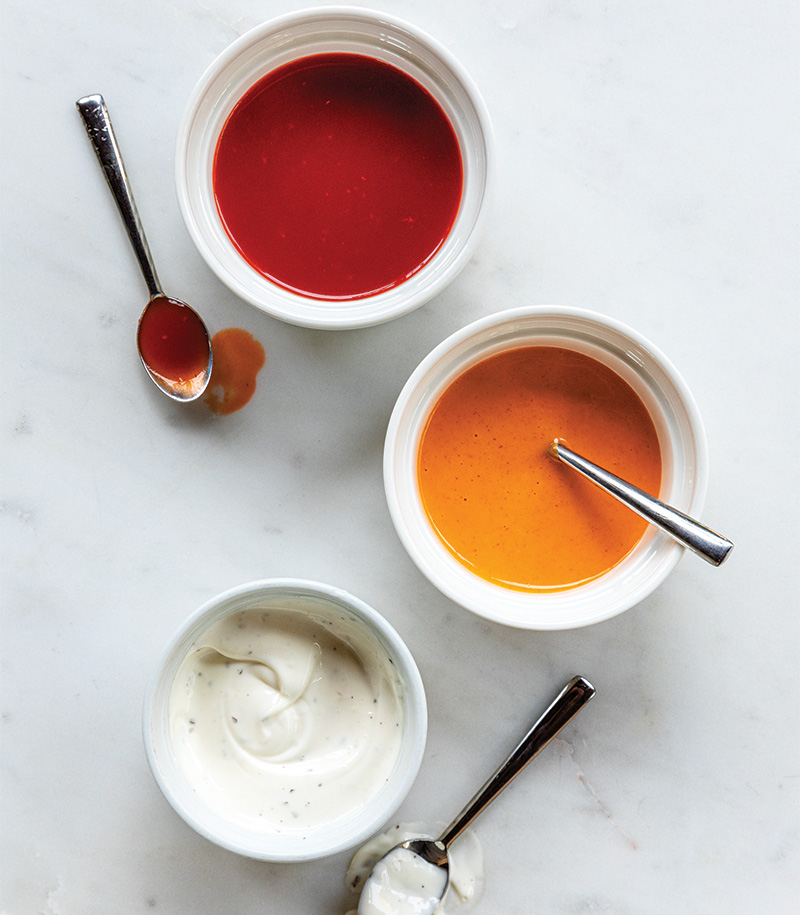
Dressing works as a marinade to carry flavor, whether to proteins or vegetables. In the process, the acid acts as a tenderizer and helps retain moisture. It also makes roasted vegetables pop and brings out other characteristics in ingredients, including cheese and fruit. “Add to that how easy it is to personalize a purchased salad dressing to make your own unique recipes, and you’ve got a superstar ingredient that can work across your menu. A perfect example of how the sum is greater than its parts,” Vaughn says.
Make It Interactive
Customers today want to maximize their dining experience, whether it’s visually (a menu item accompanied by sauces) or physically (compiling components at the table). Dressings can do double duty by acting as a dipping sauce or a customizable foundation.
“We know that diners love to dip, dunk and squeeze sauces for a personalized dining experience. We launched our innovative Heinz Dip & Squeeze sauce packets for just that reason – so diners had the option to squeeze their sauce over a burger or fries or dip their food into it,” Vaughn says.
Go for Nostalgia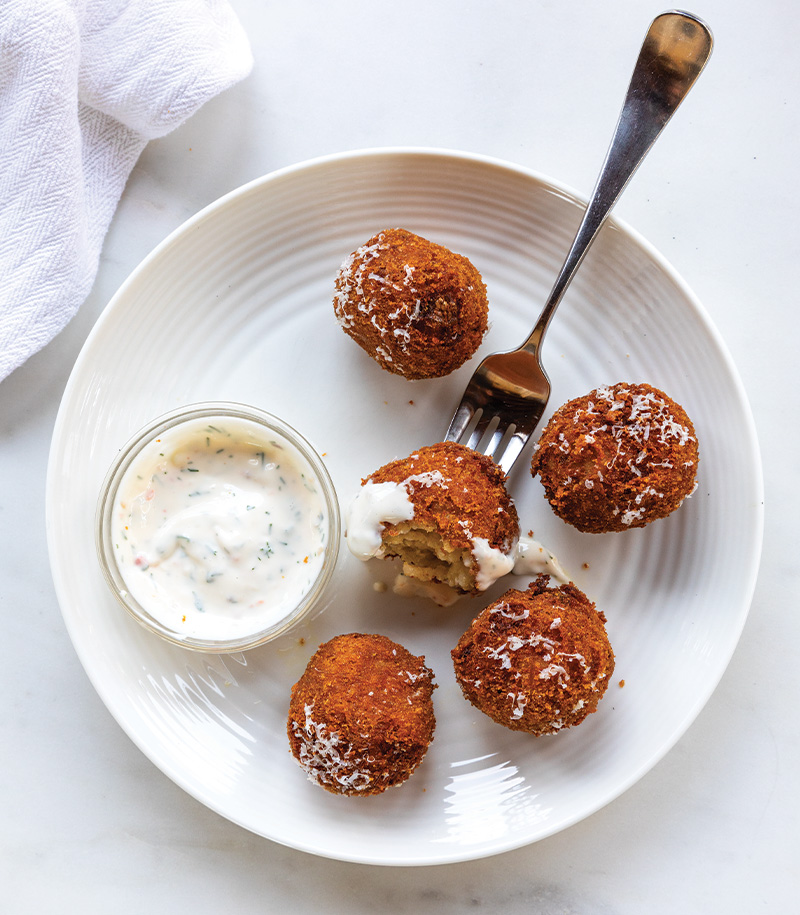
If there’s one trend that’s a mainstay, it’s evoking food memories. “Ranch dressing is a nostalgic, creamy, salty, herby explosion of flavor in your mouth. The tangy buttermilk is balanced by the richness of the mayo; it enhances everything you pour it on. It’s addictive,” Vaughn says. “Coupled with the numerous ways to personalize it – more herbs, spicy jalapeño or buffalo, creamy avocado – the variations are endless, as are the ways diners find to enjoy it.”
Maximize Versatility
Yes, pair ketchup with fries, but dressings of all kinds provide a more flavorful balance against that addictive fatty crunch of deep-fried food. “In fine dining, savory vinaigrettes are often served as a sauce for beautifully sautéed or grilled seafood. Dressings can be used as a spread on sandwiches, such as a caprese tomato, burrata and basil layered onto a crispy toasted ciabatta roll – a beautiful pesto mayo or an herby vinaigrette mingles with the tomato juices and softens the toasted bread just enough for an amazing bite,” Vaughn says. She also recommends dressing as the glue to hold coatings on food, such as slathering a flavored mayonnaise over a chicken breast or fish fillet, coating with cornflakes or other low-sugar breakfast cereal and sautéing or deep-frying. Blend dressing into softened butter for a rich garnish on grilled meat or vegetables. Use a vinaigrette as a flavorful oil to roast chickpeas, nuts or vegetables. “Dressings and vinaigrettes can provide flavor and a much-needed fattiness when eating meatless burgers, making them truly satisfying instead of often just the healthy option,” Vaughn says.
Customize
Adding one or two ingredients into a premade dressing results in a tailored menu that fits theme and budget. Stir hummus and cumin into an Italian vinaigrette, and garnish with spice-roasted chickpeas, Vaughn recommends. Adding tomato paste and smoked paprika equates to a smoky roasted tomato vinaigrette. “Mayonnaise accepts almost any flavorful addition, such as pesto, puréed roasted red bell peppers or grilled and chopped poblano peppers. Add a squeeze of lime juice or chopped herbs. A fruit purée or even a little sugar and vinegar can transform mayonnaise into dozens of sauces and is a great way to use ingredients with a shorter shelf life. Marketing your flavored mayonnaise as an aioli is a surefire way to upsell a side of fries,” she says.
Watch Outs
Dressings can pop up across the menu as long as their limitations are recognized. The acid in vinaigrettes tenderizes meat, but when it marinates too long, the meat’s protein structure can break down and shift from tender to mushy and unpleasant. Vinaigrettes that separate can be tricky for servers to portion onto salads or into dip cups if they don’t stir the dressing every time they portion it. And mixing very rich or fatty ingredients into a mayonnaise can sometimes break the emulsion because of the imbalance of fat to liquid.
“However, once you make this mistake, you learn quickly how to avoid making the same mistake again,” Vaughn says.