Pizza Profits: Key Considerations for Adding Pizza to Your Menu
5 factors to earn dough with pizza
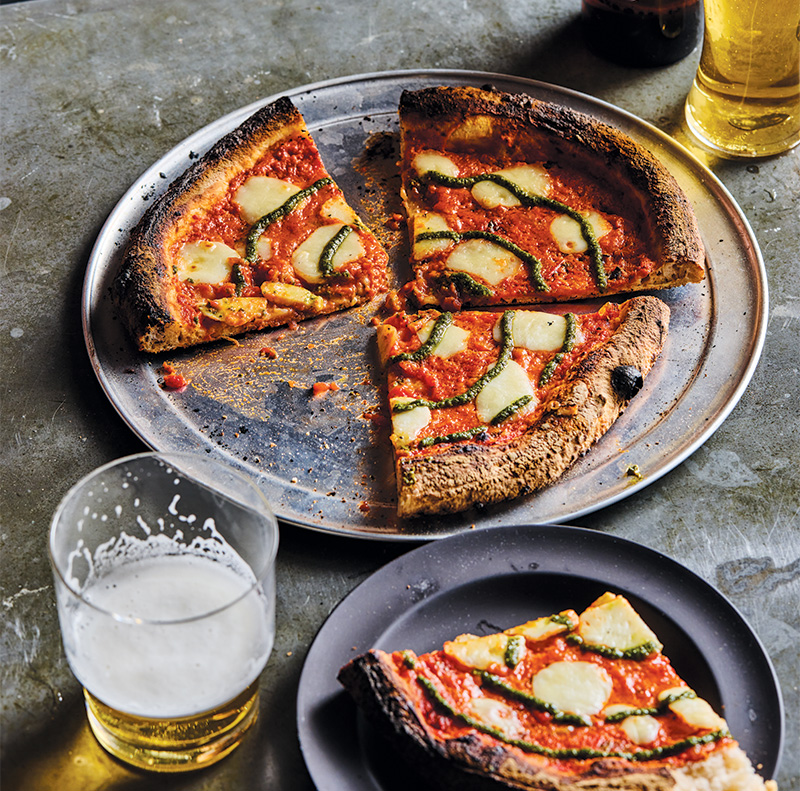 Selling pizza is enticing. Food costs and labor can be low and demand remains high, especially for casual and late-night operations. While more consumers eat pizza in the evening, according to research firm Datassential, pizza’s popularity, numerous styles and seemingly endless combinations can equate to a viable add-on for lunch or all-day concepts.
Pizza’s breadth, however, can pose challenges, so it’s essential to consider the style that best fits the concept as well as customer preferences.
1. Determine your commitment
Industry experts like Technomic frequently refer to the barbell activity among consumers: Some splurge for more exotic ingredients and others base choices on value. “Adding pizza to your menu is not as easy as people think, unless you’re using a convenience product,” says pizza equipment expert Jim Day, founding principal of ASM Culinary Equipment. “If you’re looking to commit to pizza, you need to create a thoughtful program if you want to be considered a real player in the space.”
Restaurateurs who want to offer late-night, no-frills pizza but want to take a step up from pre-made frozen pies, might look to local dough vendors for frozen balls and sheets of dough. “There are also some decent par-baked shells and even sauced pizzas that are available,” Day says.
2. Consider the pie of
least resistance
If you want to make your own pizza with limited equipment outlay, Detroit-style might be the way to go, says Michael Harlan Turkell, host of the Modernist Pizza podcast. “The biggest questions are temperature and ventilation,” he says.
Detroit-style pizza, which has been gaining in popularity during the past decade, begins with a thick but light and airy crust, similar to focaccia. The dough is more forgiving and can be formed to fit a sheet pan, which eliminates the stretching skill traditional pies require. After a layer of cheese from edge to edge, chunky tomatoes and toppings follow. Because this type of dough requires a lower and slower bake – 400°F to 500°F – there’s no need to spend on special equipment. Other pizzas are cooked at high temperatures—900°F and up for traditional Neapolitan pizza, closer to 700°F for other artisanal pies or 550°F to 600°F for New York-style pies.
3. Weigh the style’s benefits and drawbacks
Although Detroit-style pizza is on-trend and can usually be made with existing equipment, the dough needs a lot of love: a high hydration level of at least 65% and fermentation for 48 to 72 hours for a light crispy texture, typically.
For that you need time, patience and cooler space, says Graham Day, Jim Day’s son and president of ASM. “If you already have a jam-packed walk-in and you’re looking to add a fresh dough program, where are you going to keep it?” It’s a consideration operators often overlook, but frozen dough can help solve that issue. Pizza cooked in sheet pans, whether it’s a bar pie, tavern-style as in Chicago, grandma or Sicilian in New York City or al taglio in Rome, is also a viable option that cooks at 475°F to 500°F.
New York-style pizza can also be cooked at that temperature, but it benefits from a minor investment in pizza steels or stones.
4. Cater to your people
Regardless of the style of pie, allowing diners to customize their pies should be a consideration. Research shows that 53% of customers assemble pie at home vs. dining out because they can choose their toppings, according to Datassential. That said, “Pizzas featuring stuffed crust, as well as takes on global and regional varieties, hold the most consumer appeal, outranking pies positioned as better-for-you or agreeable to certain diets or with more plant-forward toppings,” says the Datassential report.
The firm’s research also shows that people choose a restaurant because, to them, it has the best-tasting pizza. Value for the money is the secondary motivator.
5. Go small instead of large
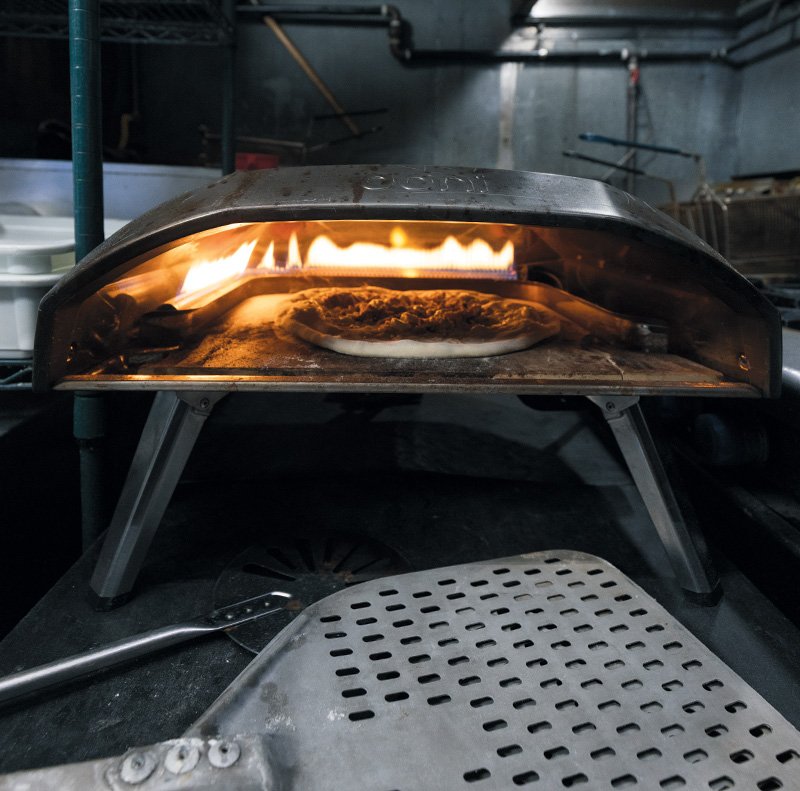
The grand brick ovens of top pizzerias might be nice to marvel at but are unrealistic for established operations. For usually less than $10,000, speed-cook ovens like the ones at quick-service coffee concepts that produce toasty sandwiches could be options. These plug-and-play ovens don’t require hoods. “When people would like to have a limited offering but want a dedicated oven so they don’t have to compete with the current space in their ovens, something like that can get you into pizza without a large investment or space requirement,” Jim Day says.